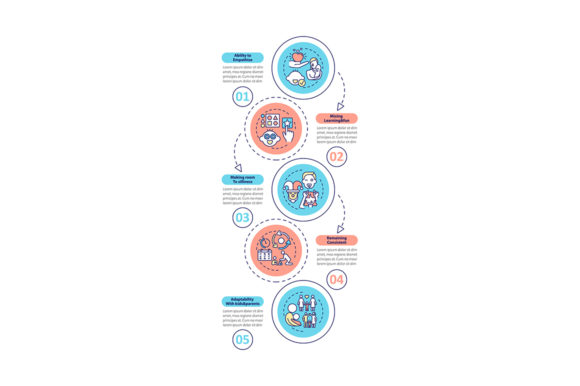
Edutainment Graphics for Little Minds
A Playful Graphic Design Asset for Early Learning Brands
The first impression of Educational Games for Little Kids is warm, inviting, and slightly whimsical. It feels like a tool designed for a brand that values learning through play—perfect for a children’s product line, educational toys, or a local business with a focus on early childhood development. The mood it creates is friendly and approachable, suggesting a brand personality that is nurturing, fun, and educational. This design asset seems ideal for small businesses in the educational toy space, childcare centers, or any brand targeting young families.
Visual Identity for a Learning-Focused Brand
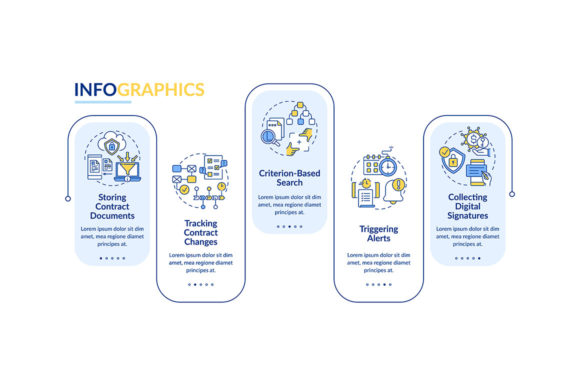
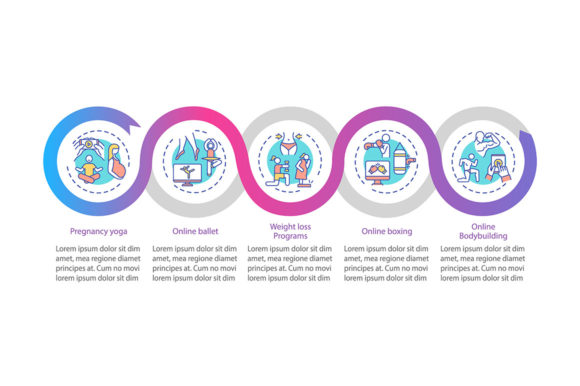
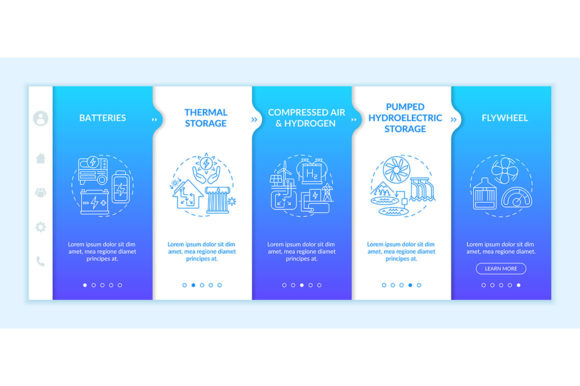
Educational Games for Little Kids offers a strong foundation for building a cohesive brand identity. Its linear icons, data visualization elements, and workflow layout are versatile enough to be used in logo design, brand identity, and packaging design. Whether you're creating a logo for a new children's book line or designing a set of product labels for an educational toy store, this graphic design asset provides a consistent visual language that supports your brand's message.
The infographic style of Educational Games for Little Kids is particularly useful for creating clear and engaging marketing visuals. Its structured layout and clean lines help establish a sense of order and professionalism, which can be especially valuable for a brand that wants to appear trustworthy and well-organized. This makes it a great fit for social media graphics, website banners, and promotional ads aimed at parents and educators.
Practical Use Cases in Small Business Branding
- Product Labels: The linear icons and process timeline chart from Educational Games for Little Kids can be used as accents on product labels, helping to visually explain the benefits of your product.
- Packaging Design: This graphic design asset works well as a decorative element on packaging, adding a playful touch without overwhelming the main branding.
- Thank-You Cards: The infographic style can be adapted into thank-you cards or promotional inserts, reinforcing your brand's educational mission.
- Social Media Graphics: The clean layout and visual hierarchy make it ideal for creating engaging social media content, especially for educational campaigns or seasonal promotions.
- Product Mockups: The vector format allows for easy integration into product mockups, making it a valuable asset for e-commerce and digital product sales.
Building Trust Through Visual Consistency
Using Educational Games for Little Kids can significantly enhance customer trust by creating a more polished and professional look for your brand. The consistent use of icons, color schemes, and layout elements helps reinforce your brand identity across all touchpoints. This consistency is especially important for small businesses looking to stand out in a competitive market.
Additionally, the visual clarity of this graphic design asset supports better product recognition. When customers see familiar elements across different marketing materials, they are more likely to remember your brand and associate it with quality and reliability.
Where to Use Educational Games for Little Kids Effectively
Educational Games for Little Kids shines best in areas where visual storytelling and clarity are key. Here are some top use cases:
- Hero Graphics: Use the infographic elements as hero graphics on landing pages or promotional banners.
- Seasonal Campaigns: Adapt the design to create festive or themed visuals for holiday campaigns.
- Boutique Visuals: Incorporate the design into boutique displays or storefront signage to create an inviting atmosphere.
- Printable Inserts: The vector format ensures high-quality print results, making it suitable for printable design elements like brochures and flyers.
- Marketing Visuals: Use the design to create editorial-style content for blogs, newsletters, or web design projects.
When to Use with Caution
While Educational Games for Little Kids is a versatile design asset, there are situations where it may not be the best choice. For example, it should be used carefully in formal corporate branding contexts where a more sophisticated or minimalist aesthetic is required. It also may not be ideal for very small labels or crowded product packaging where clarity is paramount.
Additionally, this graphic design asset might compete with important text in layouts that include a lot of legal information or ingredient lists. It's also less suitable for luxury minimalist brands where simplicity is key. Always test the design against your brand's overall aesthetic before finalizing its use.
Design Notes for Practical Application
As a brand designer, I recommend testing Educational Games for Little Kids on real packaging mockups to ensure it fits within your product's overall design. Check how it looks in black and white, as this will affect its usability in print. Preview it on small labels to confirm readability and scale.
Compare it with competitor packaging to ensure it stands out while maintaining a professional look. Review the PNG transparency and SVG editability to determine if it meets your commercial design needs. Confirm that you have the proper commercial license before using it for client work or physical product sales.
Finally, test the design alongside different font styles—serif, sans serif, script, and display fonts—to ensure it complements your brand's typography. A well-chosen combination of design assets and typography can elevate your brand identity and make your packaging and marketing visuals more compelling.