Environment Strong Line Icon
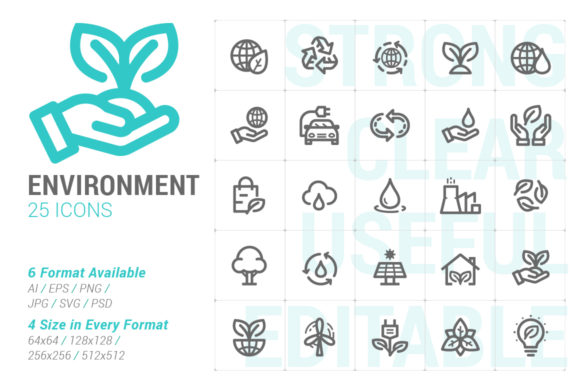
As someone who’s stitched thousands of designs—from boutique baby onesies to Etsy best-selling tote bags—I opened Environment Strong Line Icon expecting clean simplicity. What I found was exactly that: a confident, uncluttered line icon with quiet authority. It doesn’t shout “eco!” with leaves or recycling arrows. Instead, it uses strong, deliberate strokes—balanced negative space, consistent stroke weight, and a subtle upward tilt—that suggest resilience, care, and grounded intention. It feels like the kind of icon you’d embroider on a linen tea towel for a zero-waste kitchen shop—not as decoration, but as quiet brand language.
First Stitch Test: Tote Bag Launch for a Local Eco-Boutique
Last week, I prepped a small batch of organic cotton tote bags for a client launching her refill station. She wanted something minimal but meaningful—no slogans, no gradients, just visual integrity. I loaded Environment Strong Line Icon into my embroidery software, scaled it to 3.2” wide (a sweet spot for tote front panels), and ran a test on scrap fabric with medium-weight cutaway stabilizer. The result? Crisp, legible, and surprisingly dimensional—even in monochrome black thread. No feathering, no skipped stitches. The line weight holds up beautifully at that size, and because it’s built from clean vectors—not traced raster art—the curves stay smooth under needle tension. That matters. A lot.
Where This Icon Truly Shines (and Where It Asks for Thought)
Environment Strong Line Icon isn’t a one-size-fits-all embroidery file—but it’s exceptionally well-suited for projects where clarity, longevity, and quiet confidence matter:
- Custom apparel: Works cleanly on sweatshirts (especially mid-back or left-chest placements) and structured tees. Avoid ultra-thin jersey unless you reinforce with tear-away + topping—it’s not overly dense, but fine lines need support on stretchy surfaces.
- Embroidered patches: Ideal. Its balanced proportions and lack of tiny interior details mean it stitches cleanly on twill or felt backings without thread nesting or edge fraying.
- Baby embroidery: Gentle enough for organic cotton onesies or muslin bibs—just keep stitch density moderate and use soft, low-lint thread. The icon reads as calm, not clinical.
- Kitchen & nursery textiles: Linen tea towels, pillow covers, and canvas aprons all benefit from its restrained elegance. It won’t compete with patterned fabrics; it complements them.
- Holiday or wedding gifts: Think embroidered linen napkins or reusable produce bags—items where handmade quality and intention are part of the gift’s story.
That said, tread carefully with Environment Strong Line Icon on:
- Curved surfaces like caps or beanies—unless you’re using a cap frame and reducing scale slightly (2.5” max). The line continuity can distort if stretched across high-crown curves.
- Dark or textured fabrics without testing contrast first. While the .png and .jpg files help preview placement, always stitch a sample in your actual thread color—especially if using ecru or heather gray thread on charcoal denim.
- Layered garments (e.g., hoodies with thick fleece lining). You’ll want firm cutaway stabilizer and possibly a second layer beneath the hoop to prevent puckering around the outer stroke.
- Products meant for frequent washing: Confirm your satin or fill stitch settings aren’t too tight—over-stitching thin lines can cause thread breakage over time. A gentle running stitch outline often outperforms dense fill for this style.
What It Does for Your Craft Business—Beyond the Stitch
For Etsy sellers and small shop owners, Environment Strong Line Icon delivers more than aesthetics—it supports trust. Customers scrolling handmade listings respond to design cohesion. When your logo, packaging stamp, and embroidered product all share the same visual voice—clean, intentional, unhurried—they subconsciously register your brand as considered and reliable. I’ve seen shops double repeat buyers simply by unifying their embroidery motifs across product categories. This icon makes that easy.
It also lifts perceived value. On a $28 organic cotton tote, a busy, pixelated eco-icon reads “generic.” But Environment Strong Line Icon, stitched precisely in matte cotton thread? It says “designed,” not “downloaded.” That distinction matters when pricing handmade products—or just feeling proud of what you make.
Practical Designer Notes Before You Stitch
Before committing to a full run—whether for personal joy or commercial embroidery—here’s what I do every time with Environment Strong Line Icon:
- Run a test stitch on scrap fabric matching your final substrate—same stabilizer, same thread, same machine tension.
- Check thread color contrast against both light and dark backgrounds using the included .png mockup files.
- Review stitch density in your embroidery software—especially near curved endpoints. If your machine defaults to heavy fill, switch to outline + light satin or even running stitch for maximum breathability.
- Confirm hoop size compatibility. While the vector files scale freely, avoid stretching beyond 4” unless you’ve tested stability—fine lines lose definition fast at extreme enlargements.
- Inspect small details at 200% zoom in Illustrator (.ai or .eps) to ensure no unintended anchor points or stray nodes exist—these can cause jump stitches or erratic needle movement.
- Build printable mockups using the .svg or .png files—customers love seeing how the icon sits on real products before ordering.
- Verify licensing terms before selling finished items or bundling the digital file. Since it’s categorized as Graphics, confirm whether commercial use is included—many designers assume it is, only to find restrictions later.
Bottom line? Environment Strong Line Icon isn’t flashy—but it’s dependable, versatile, and quietly persuasive. It’s the kind of embroidery file that disappears into the product while making everything around it feel more intentional. Whether you’re stitching for joy, gifting with meaning, or building a craft business rooted in authenticity, this icon earns its place—not as filler, but as foundation.