Scientific Research Infographic for Embroidery
A Designer’s Take on Practical Use
As a designer who frequently works with embroidery files and handcrafted products, I approach each new design with the goal of understanding its real-world application. The Scientific Research Projects Infographic is no exception. It presents itself as a clean, structured layout with a focus on data visualization and workflow representation. At first glance, it feels like a tool meant for clarity rather than decoration—something that can be adapted into a variety of projects but requires careful consideration before use.
First Impressions: Clean and Functional
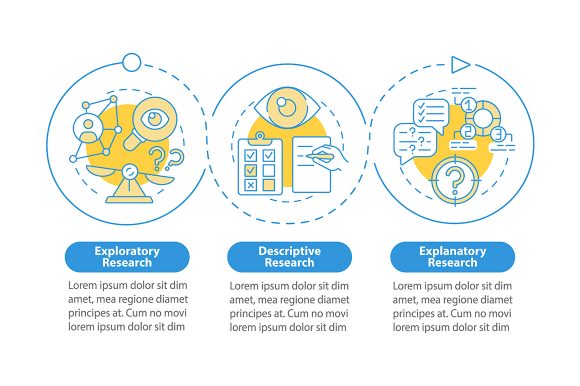
The Scientific Research Projects Infographic has a modern, minimalistic aesthetic that aligns well with contemporary design trends. Its linear icons and three-step process timeline suggest a logical flow, which is ideal for visual storytelling. The layout is symmetrical and balanced, making it easy to navigate visually. However, this simplicity also means it lacks the decorative flair that might be necessary for certain types of embroidery projects.
I found the color palette to be muted and professional, which could work well for educational or corporate settings. The use of geometric shapes and arrows adds a sense of direction, reinforcing the idea of progression in research. This makes it a strong candidate for projects that require clear communication of complex ideas, such as custom apparel, personalized gifts, or small shop merchandise.
Real-Life Scenario: Custom Tote Bag Design
To test the practicality of the Scientific Research Projects Infographic, I imagined using it on a custom tote bag. The design's structure would translate well to a large canvas, allowing for detailed placement of elements without overcrowding. However, I considered the implications of stitching it onto fabric. The stitch density would need to be carefully reviewed to ensure clarity, especially in areas with dense lines or small text.
The Scientific Research Projects Infographic would look best on light-colored fabrics, where the contrast between thread colors and background would be most effective. On darker fabrics, the design might lose some of its impact, requiring adjustments in thread color or additional stabilizer to maintain clarity. For embroidered patches or applique designs, the simplicity of the layout could be an asset, allowing the design to stand out without overwhelming the viewer.
Where to Use Carefully
While the Scientific Research Projects Infographic is versatile, it is not without limitations. When considering its use in smaller hoop sizes, the detail level may become too compressed, leading to a loss of clarity. Similarly, on textured or stretchy fabrics, the design may not hold up as intended, requiring additional stabilizing techniques.
For baby embroidery or holiday gifts, the design’s complexity could be both a strength and a challenge. A printable mockup would be essential to preview how the design will appear on the final product. In cases where frequent washing is expected, such as tea towels or kitchen linens, the durability of the stitches and the choice of thread colors will play a critical role in maintaining the design's integrity.
Visual Appeal and Customer Trust
The Scientific Research Projects Infographic has the potential to enhance the visual appeal of a handmade product, especially when used in contexts that value clarity and professionalism. For craft business owners or Etsy sellers, this design could serve as a valuable asset in building brand consistency and customer trust.
However, the design’s lack of ornamentation means it may not resonate with all audiences. Some customers might find it too plain for personal items like caps or pillow covers, while others may appreciate its straightforward approach. It’s important to consider the target market and ensure the design aligns with their expectations.
Design Notes for Embroidery Professionals
Before using the Scientific Research Projects Infographic in a real project, I recommend testing it on scrap fabric to assess stitch clarity and overall appearance. Reviewing the stitch density and ensuring the design fits within your chosen hoop size is crucial for a successful outcome.
Additionally, always check the thread color contrast against the fabric background. Testing the design in black and white mockups can help identify any issues with visibility or composition. Using the appropriate stabilizer will also contribute to the longevity and quality of the finished product.
If you plan to sell the design as a digital embroidery file or use it for commercial embroidery, confirm the licensing terms to avoid any legal complications. Ensuring that the design works for both personal and commercial projects is essential, especially if you’re targeting small shop products or boutique branding.
Conclusion: A Versatile Tool for Thoughtful Design
The Scientific Research Projects Infographic is a thoughtful, functional design that can be adapted to a wide range of applications. Its clean layout and structured visuals make it ideal for projects that require clarity and professionalism. However, its success depends on careful consideration of fabric type, stitch density, and thread color choices.
Whether you're creating a custom apparel item, a personalized gift, or a commercial embroidery product, the Scientific Research Projects Infographic offers a solid foundation for creative expression. With the right preparation and attention to detail, it can become a valuable addition to your design toolkit.