Technology Addiction Prevention Graphics
First Impressions and Niche Appeal
The first time I saw Technology Addiction Prevention, I was immediately drawn to its clean, modern aesthetic. The design feels professional yet approachable, making it ideal for a wide range of digital sellers. It's not overly complex or too playful, which makes it versatile for both small business branding and commercial use. The theme is timely—technology addiction is a growing concern, especially among younger audiences and remote workers. This makes the asset highly relevant for those targeting health-conscious buyers, educators, and productivity-focused entrepreneurs.
Design Elements and Visual Personality
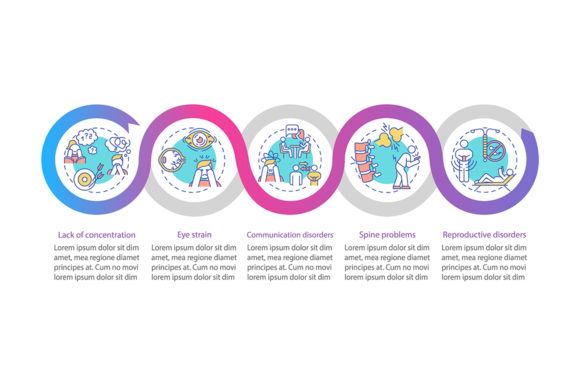
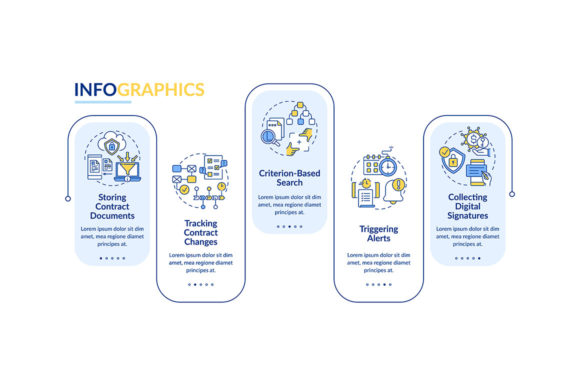
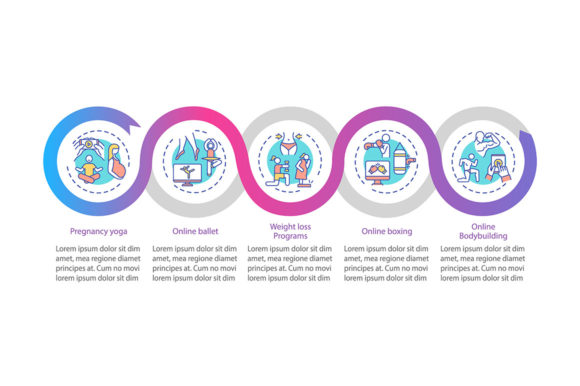
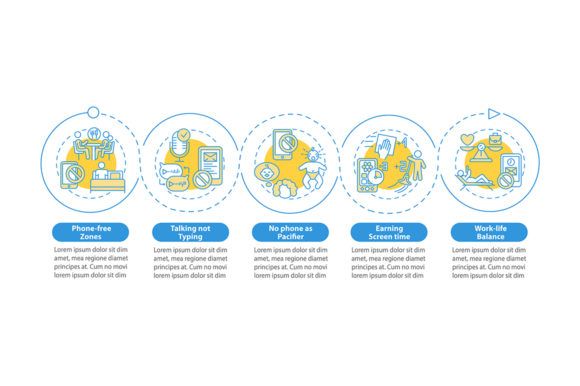
Technology Addiction Prevention features a workflow layout with linear icons that guide the viewer through five key steps in the process of preventing overuse. The data visualization elements are clear and easy to interpret, which is a big plus for users who need to quickly communicate ideas. The presentation design elements, such as talking not typing, suggest a focus on communication and engagement, making this graphic perfect for social media graphics and blog visuals.
Real-World Product Applications
This graphic can be used across a variety of products. For example, it works well as a Canva template for creating social media posts or blog headers. It’s also suitable for Cricut projects like printable stickers or wall art. As an SVG design, it can be used for t-shirt graphics, mug designs, and tote bag prints. The PNG design format allows for easy integration into print-on-demand products such as greeting cards and invitation templates.
Additionally, the infographic can be part of a design bundle, paired with other related assets to create a cohesive brand identity. It’s also great for printable wall art or planner stickers that help users stay organized while reducing screen time.
Product Presentation and Visual Storytelling
When presenting Technology Addiction Prevention as a digital product, it’s important to highlight how it supports visual storytelling. A strong product mockup can showcase the graphic in real-life scenarios, such as on a t-shirt or mug. Thumbnail images should be high quality and clearly show the design’s key elements to attract clicks.
For Etsy listings, using the graphic as a digital download or print-on-demand item can increase visibility. Pairing it with a commercial license ensures that sellers can use it for all intended purposes without legal concerns. Brand consistency is crucial, so testing the graphic against different font styles and color schemes will help maintain a cohesive look across all products.
Best Use Cases and Market Fit
Technology Addiction Prevention shines in large product previews and themed bundles. It’s ideal for seasonal collections or design assets that promote mindfulness and productivity. It also works well for packaging design and brand identity projects, especially for handmade businesses looking to expand into digital markets.
As a social media graphic, it can be used for promotional content, helping small business owners build trust and connect with their audience. Its clarity and structure make it perfect for visual hierarchy in marketing materials, ensuring that the message is both engaging and easy to understand.
Where to Use Carefully
While Technology Addiction Prevention is versatile, there are some situations where it may not perform as well. For instance, when used in tiny sticker details or low-resolution print products, the design might lose its impact. It’s also best to avoid placing it on dark backgrounds or in crowded thumbnails, as these can reduce contrast and make the graphic less appealing.
Additionally, if the design is intended for Cricut or Silhouette projects, ensure that the SVG file has clean cutting lines. Testing the design on actual mockups and checking the PNG transparency will help avoid issues with print quality or file compatibility.
Practical Seller Notes
Before publishing Technology Addiction Prevention as a digital product, it’s essential to test it thoroughly. Preview the design as a marketplace thumbnail to ensure it looks good at small sizes. Check how it appears on both white and dark backgrounds to confirm versatility.
Verify the file resolution and confirm that it meets the requirements for print-on-demand platforms. Organizing files clearly for customers will enhance the user experience. Pairing the graphic with complementary fonts, such as serif, sans-serif, script, or handwritten styles, can add personality to your product collection.
Always confirm the commercial license before selling finished products. This ensures that you’re compliant with usage rights and avoids potential legal issues. By taking these steps, you can confidently offer Technology Addiction Prevention as a valuable addition to your digital product line.