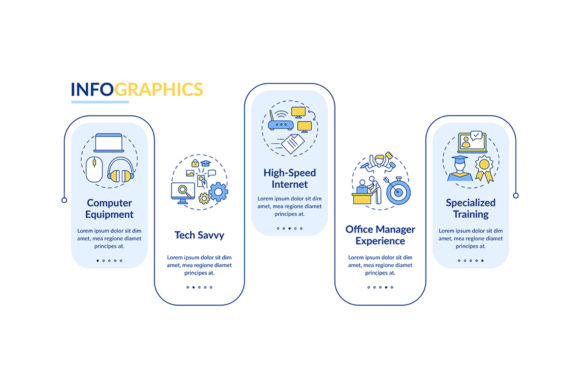
Virtual Assistant Requirements Graphics
First Impressions and Editorial Mood
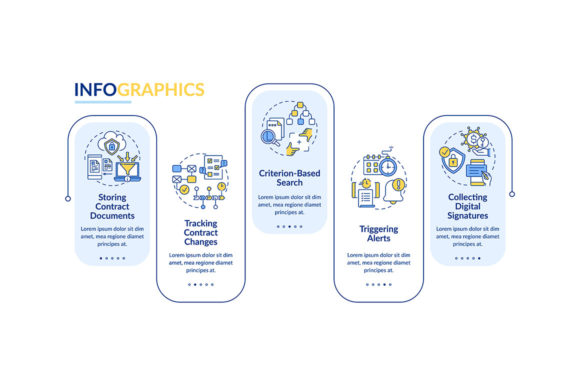
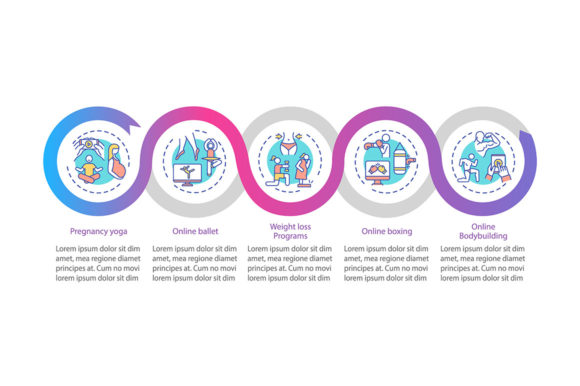
The Virtual Assistant Requirements graphic design asset makes a strong, clean first impression. Its modern and structured layout suggests professionalism and clarity, making it ideal for content that needs to appear trustworthy and well-organized. The visual mood is calm and methodical, supporting niches like productivity, digital marketing, and small business operations. It feels both educational and approachable, which aligns well with blog content, downloadable resources, and editorial guides.
Visual Communication in Content Publishing
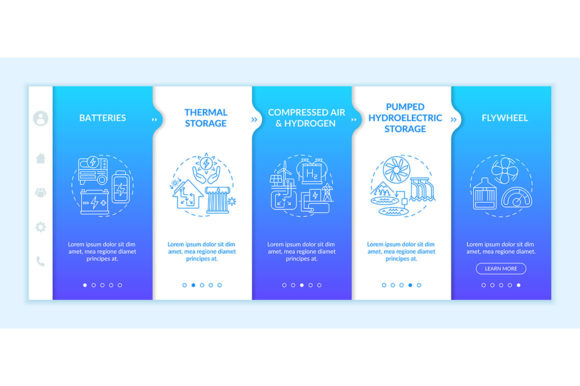
As an experienced blog designer, I see how Virtual Assistant Requirements can enhance visual communication in various publishing formats. Whether used as a blog graphic, Pinterest pin, or website header, this design asset provides a clear visual hierarchy that supports content readability. The five-step data visualization and process timeline chart are especially useful for explaining complex workflows in a digestible way.
Real Publishing Use Cases
Virtual Assistant Requirements is versatile enough to fit into multiple publishing scenarios. Here are some real-world applications:
- Blog Featured Images: A great choice for article headers that guide readers through a workflow or explain the benefits of hiring a VA.
- Pinterest Pins: The clean layout and linear icons make it perfect for social media graphics that need to stand out in a crowded feed.
- Newsletter Headers: Offers a professional look that enhances brand identity and reader trust.
- Downloadable Resources: Ideal for lead magnets like digital guides, worksheets, or printable design templates.
- Canva Templates: Easily adaptable for creating custom visuals without requiring advanced design skills.
- Social Media Posts: Works well for Instagram stories, Facebook posts, or LinkedIn articles that require visual support.
Supporting Content Performance
Using Virtual Assistant Requirements can significantly boost content performance. The clear visual structure helps create stronger first impressions and improves click-through potential. By maintaining a consistent brand identity across all content types, this design asset strengthens reader trust and reinforces category recognition. It also contributes to a more professional-looking website, which is essential for affiliate marketing and content marketing strategies.
Best Use Cases for Virtual Assistant Requirements
This graphic design asset works best in areas where clarity and organization are key. Consider using it for:
- Hero Images: As a large banner on landing pages or product pages.
- Article Thumbnails: To give readers a quick visual summary of the content.
- Editorial Accents: Enhancing existing layouts with subtle design elements.
- Content Upgrades: Supporting downloadable resources with visually appealing designs.
- Category Visuals: Helping users navigate through different sections of a website.
- Social Media Previews: Ensuring your content stands out in feeds and search results.
Where to Use Carefully
While Virtual Assistant Requirements is highly effective in many contexts, it’s important to use it wisely. Avoid placing it in small mobile thumbnails where detail may be lost. It’s also not ideal for text-heavy blog images or low-contrast backgrounds that might reduce readability. In serious professional niches, consider whether its modern and clean style aligns with the overall branding of your website or content.
Publisher Notes for Optimal Use
To ensure the best results, follow these practical tips:
- Test on Desktop and Mobile: Ensure the design looks good on all screen sizes.
- Check Thumbnail Appearance: Preview how it looks as a thumbnail in your CMS or social media platform.
- Preview in Real Blog Layouts: See how it integrates with your existing site design.
- Test with Headline Text: Make sure the design complements your headline font styles.
- Check Contrast and Readability: Ensure text is legible against the background.
- Try in Black and White: Confirm the design still works without color.
- Place Beside Different Fonts: Test compatibility with serif, sans-serif, script, and display fonts.
- Review File Size: Compress images for web performance without losing quality.
- Confirm Commercial Licensing: Always verify you have the right to use it on monetized websites or paid content products.
Conclusion
Virtual Assistant Requirements is a powerful graphic design asset that supports a wide range of content publishing needs. From blog graphics to downloadable resources, it offers a modern, clean, and professional look that enhances brand identity and reader trust. Whether you're working on a digital guide, a Canva template, or a social media post, this design asset can elevate your content and improve user engagement. With proper usage and attention to detail, it's a valuable addition to any creative designer’s toolkit.